Kasaragod is the northernmost district of Kerala, known for its rich cultural diversity, scenic landscapes, and historical significance. Nestled between the Western Ghats and the Arabian Sea, the town is blessed with lush greenery, serene rivers, and pristine beaches that reflect the natural beauty of the region. The town is widely celebrated for its iconic forts, ancient temples, majestic mosques, and vibrant festivals. Kasaragod is also famous for its unique multilingual culture, where Malayalam, Kannada, Tulu, and other languages coexist harmoniously, showcasing its inclusive heritage. With a perfect blend of tradition and modern development, Kasaragod serves as an important commercial and educational hub in North Kerala. Its warm hospitality, peaceful lifestyle, and cultural richness make Kasaragod a charming destination for residents and visitors alike.
History of Kasaragod
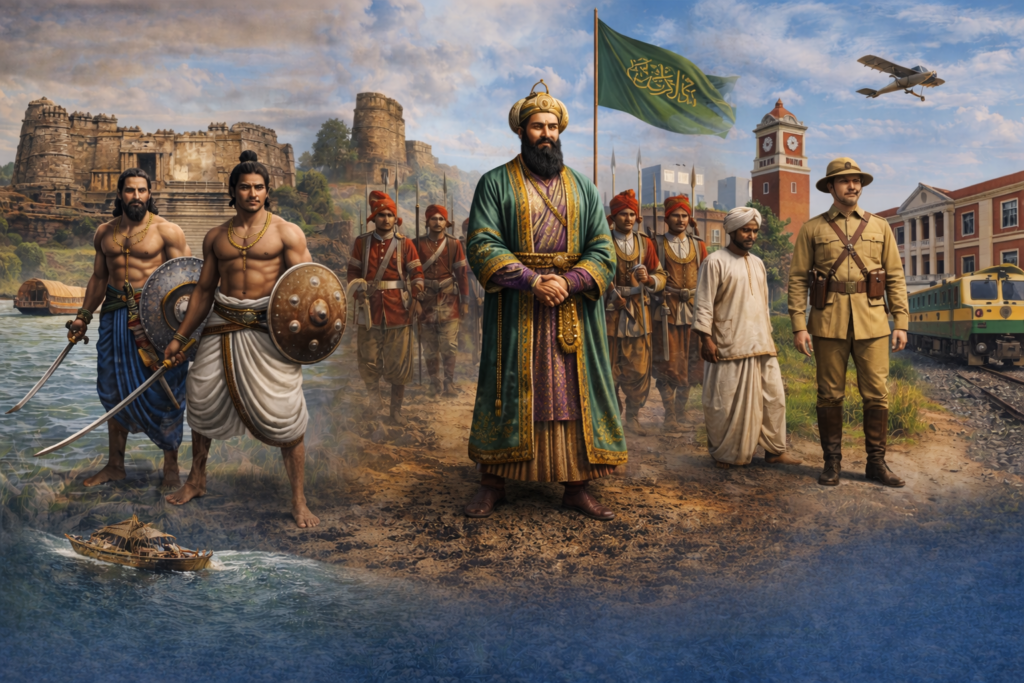
In ancient times, Kasaragod was part of the Tulu Nadu region and came under the influence of dynasties such as the Kadambas, Chalukyas, and Hoysalas, leading to the development of temples, forts, and trade routes. During the medieval period, it gained importance under the Kolathiri Rajas and later Tipu Sultan of Mysore, who strengthened coastal defenses like Bekal Fort. In the late 18th century, the region came under British rule, bringing modern administration, education, and transport systems. After India’s independence in 1947, Kasaragod was merged with Kerala in 1956 based on linguistic reorganization. Today, it stands as a symbol of cultural harmony, where diverse languages, traditions, and communities coexist, reflecting its rich historical legacy.
Geography & Climate
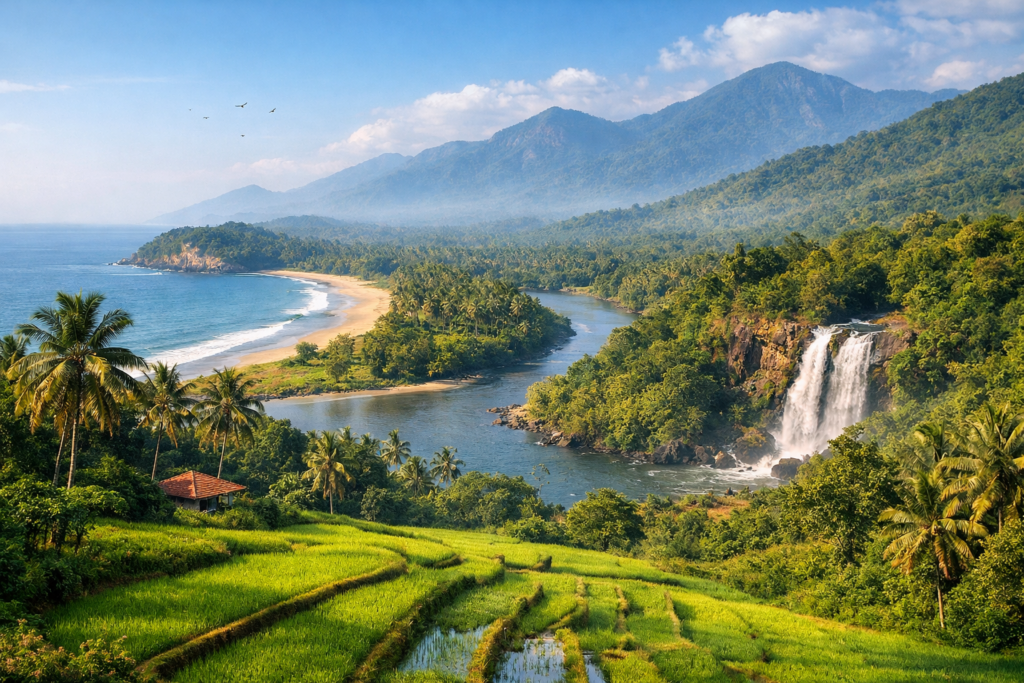
Kasaragod experiences a tropical monsoon climate shaped by its coastal location along the Arabian Sea and the forested hills of the Western Ghats. The district enjoys warm temperatures throughout the year, with high humidity and abundant rainfall during the monsoon season.
Heavy southwest monsoon rains from June to September nourish rivers, backwaters, and lush greenery, while the winter months remain mild and pleasant. This unique blend of coastal plains, fertile lowlands, and cool hilly regions creates a rich natural environment and supports diverse agriculture and biodiversity.
Culture, Heritage, and Lifestyle
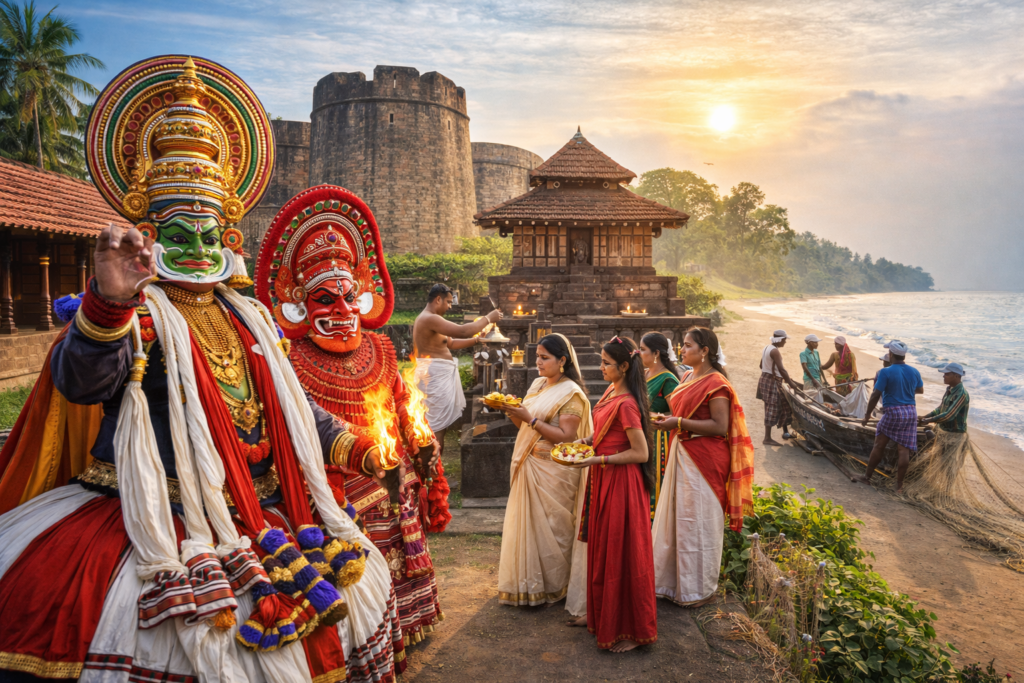
Kasaragod has a rich and diverse culture influenced by its history, geography, and the many communities living in the region. The district is known for its traditional art forms, folk performances, and colorful festivals that reflect deep-rooted customs and beliefs. Historic forts, temples, mosques, and churches highlight its strong cultural heritage and spirit of harmony.
The lifestyle of the people is closely connected to nature, with agriculture, fishing, and local crafts playing an important role in daily life. This balanced blend of tradition, simplicity, and cultural pride gives Kasaragod a distinct and welcoming character.
Population and Demographics
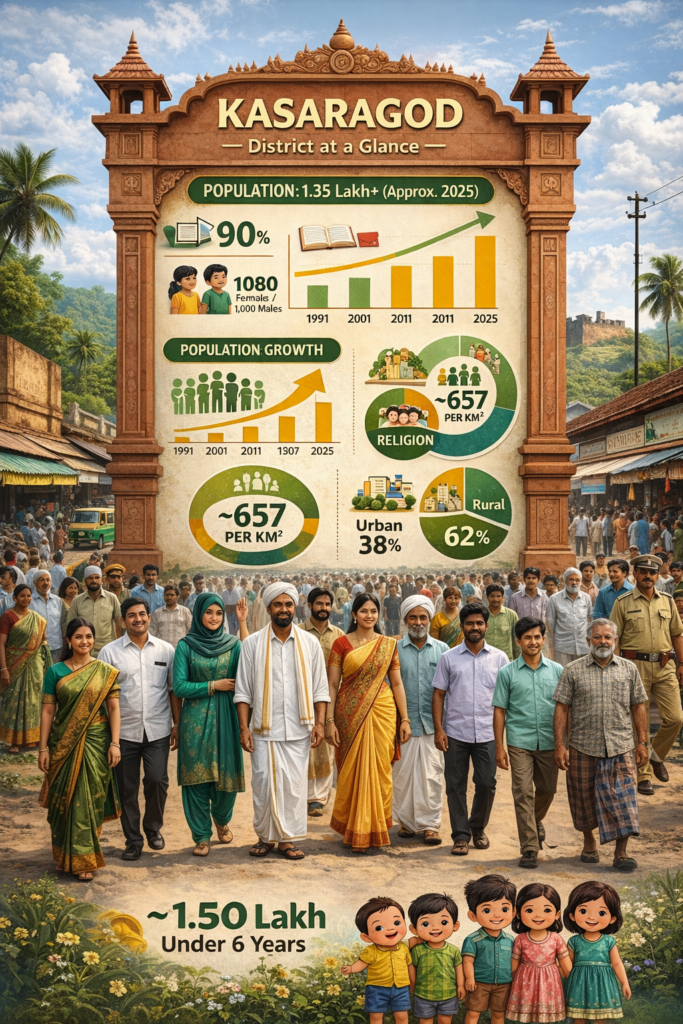
Kasaragod is one of the culturally rich and diverse districts of Kerala, with a population of over 13 lakh as per the 2011 Census, consisting of both urban and rural communities that support balanced development.
Language: Malayalam is the primary language, along with Tulu, Kannada, Beary, and Konkani, while English is widely used in education, administration, and business.
Communities: People from different religions and cultural backgrounds live together harmoniously, celebrating diverse festivals and traditions.
Literacy: The district has a high literacy rate, supported by schools, colleges, professional institutions, and vocational training centers.
Occupation & Lifestyle: Agriculture, fishing, trade, and services are the main livelihoods, with education, tourism, and small-scale industries playing a growing role in the economy.
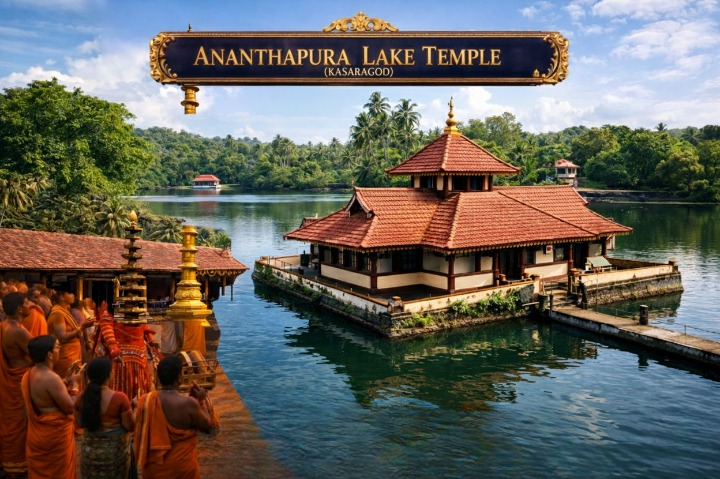
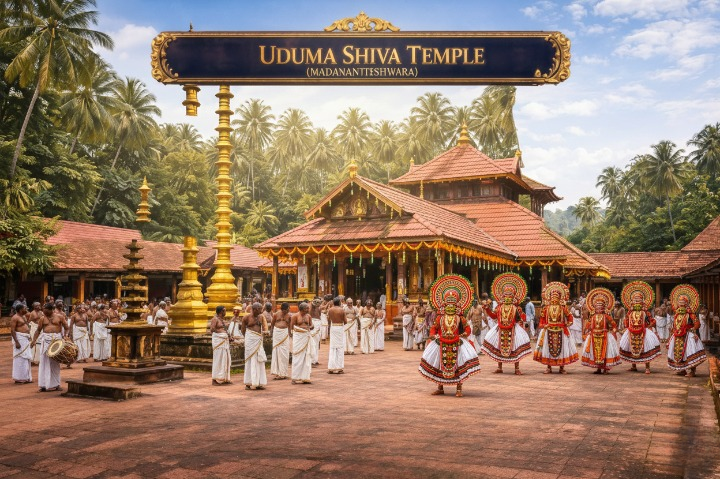
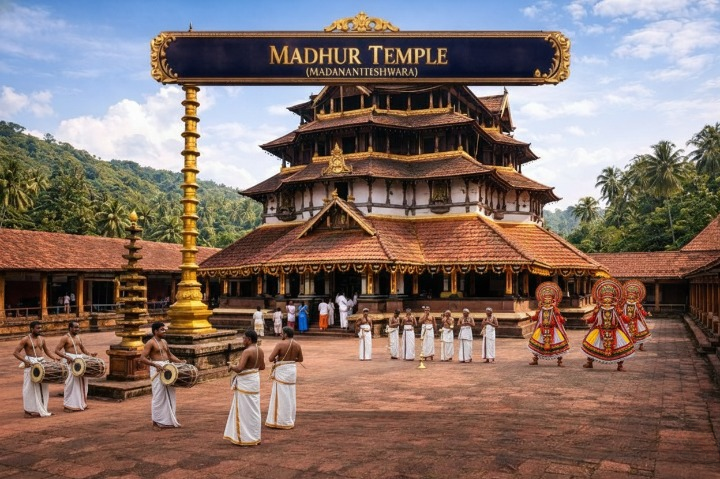
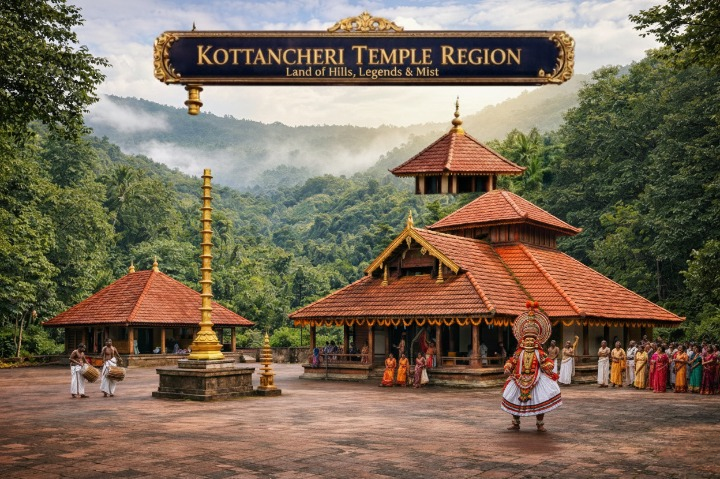
Temples in Kasaragod
Economy in Kasaragod
Kasaragod’s economy is diverse and steadily developing, with agriculture forming its strong foundation. Crops such as coconut, arecanut, paddy, cashew, pepper, and rubber support the majority of rural livelihoods. The coastal economy contributes significantly through fisheries, aquaculture, and mussel farming, providing employment and sustaining traditional communities.
The district’s industrial growth is driven mainly by micro, small, and medium enterprises, including agro-based industries, food processing units, handloom and coir products, wood-based industries, and small engineering units. Industrial estates like KINFRA and SIDCO have helped strengthen local entrepreneurship and employment.
Tourism also plays an important role, with attractions such as Bekal Fort, beaches, and backwaters boosting hospitality, trade, and service sectors, together creating a balanced and resilient economy.
Agriculture In Kasaragod
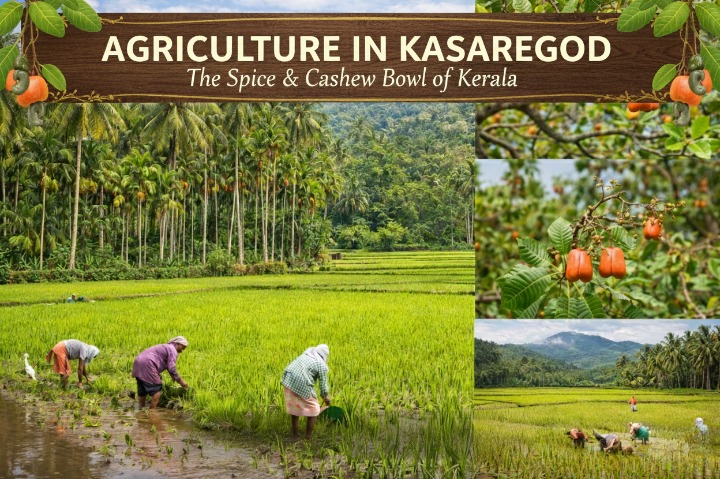
Agriculture plays an important role in the livelihood of people in Kasaragod and is closely linked to its climate and geography. The district mainly practices rain-fed farming, supported by heavy monsoon rainfall and fertile soil. Paddy cultivation is common in low-lying areas, while coconut, arecanut, cashew, and rubber are widely grown in plantations. Spices, fruits, and vegetables are cultivated especially in the hilly and interior regions. Overall, agriculture in Kasaragod reflects a balanced mix of traditional farming and plantation crops, sustaining rural life and the local economy.
Small Industries
Small industries play a vital role in the economy of Kasaragod by providing employment and supporting local livelihoods.
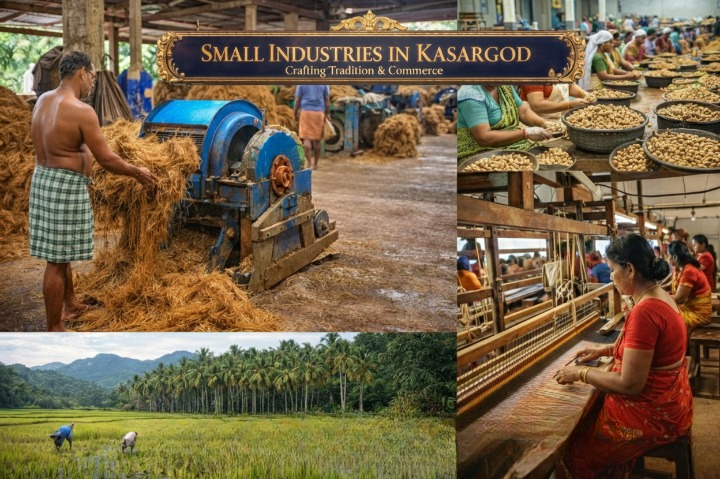
The district is known for traditional industries such as coir making, handloom weaving, cashew processing, and small-scale food production. These industries mainly depend on locally available raw materials and skilled craftsmanship.
They help preserve traditional skills while contributing to rural development. Overall, small industries in Kasaragod strengthen the local economy and promote self-reliance.
Infrastructure and Connectivity
Kasaragod’s infrastructure and connectivity play a vital role in its growth as the northern gateway of Kerala. The district is well-connected by road, rail, and nearby airports, ensuring smooth movement of people and goods.
National highways, coastal roads, and railway lines link Kasaragod to major cities like Mangaluru and Kannur. Modern communication networks, including mobile and internet services, support education, healthcare, business, and tourism. Together, these facilities strengthen economic development while improving the overall quality of life for residents.